If your workdays move fast, where you live has to work just as hard for you. In Sunnyvale, daily life tends to revolve around shorter decision-making, practical commute options, nearby parks, and easy access to dining and errands. If you are weighing a move here or trying to picture your routine, this guide will help you understand what everyday life in Sunnyvale can actually look like. Let’s dive in.
Why Sunnyvale Fits Busy Schedules
Sunnyvale describes itself as a technology-centered city with about 8,000 local businesses, a historic downtown, and 27 parks. That mix matters if you want a place where work, errands, and downtime can stay relatively close together. For many busy professionals, that can mean less time planning around the day and more time simply getting things done.
The city also has a layout that supports practical routines instead of just weekend appeal. Employment areas, transit stops, neighborhood parks, and dining options are spread across the city in a way that can support a more efficient lifestyle. If your calendar is packed, that kind of setup can make a real difference.
Commute Options in Sunnyvale
For many tech professionals, commute flexibility is a big part of quality of life. Sunnyvale offers a mix of rail, bus, freeway, and first-and-last-mile options that can help you build a routine around your work location and schedule.
Caltrain and downtown access
Sunnyvale Station sits on the Caltrain corridor, with weekday service running throughout the day. The station opens directly onto Murphy Avenue in downtown Sunnyvale, which makes it easy to combine commuting with coffee, dining, or quick errands before heading home.
The city is also investing in station access. In February 2026, Sunnyvale City Council approved concept plans aimed at making it easier to walk and bike to the Sunnyvale Caltrain Station. That supports the city’s transit-oriented feel and may appeal if you want to reduce how often you rely on a car.
VTA bus connections
Sunnyvale is served by several key VTA routes. These include Route 20 to Milpitas BART, Route 22 along El Camino Real, Route 53 between Sunnyvale Transit Center and Santa Clara Transit Center, and Express 101 to Stanford Research Park.
That network can be useful if your job is not right next to a Caltrain stop. It also gives you backup options for days when driving is less appealing or parking is a hassle.
Freeway access for drivers
If you drive to work, Sunnyvale connects into the South Bay freeway network through US 101, I-280, SR 85, and SR 237. That matters because many tech jobs are spread across the region rather than concentrated in one downtown core.
For busy professionals, this can mean more than one workable route depending on traffic patterns and where your office is located. It also helps if your schedule includes meetings across different parts of the South Bay.
First-and-last-mile help
In northwest Sunnyvale, Peery Park Rides offers free on-demand service Monday through Friday from 7 a.m. to 7 p.m. The service area is bounded by US 101, Fair Oaks Avenue, El Camino Real, and the Mountain View border.
If you work in or near office parks, this can help cut down on short car trips. It is a practical option for those in workplace-heavy areas who want a simpler way to cover the last part of the commute.
Where Work Life Centers Around Town
Sunnyvale is built around several major employment corridors instead of a single downtown job center. That is important because your daily routine may feel very different depending on whether you live near Downtown, Lawrence Station, Peery Park, Central Arques, or Moffett Park.
Peery Park covers about 450 acres and focuses on workplace and industrial uses. Lawrence Station is being shaped into a mixed-use district anchored by the Caltrain stop. Central Arques includes industrial companies in East Sunnyvale, while Moffett Park planning prioritizes frequent transit and easier first-and-last-mile access.
In everyday terms, this means Sunnyvale can support a range of work patterns. You may be commuting by train, driving to an office park, or balancing hybrid work with a few in-office days each week.
After-Work Life in Sunnyvale
A city can look great on paper and still feel hard to live in if there is nowhere easy to unwind. Sunnyvale offers several ways to shift out of work mode without needing a long drive.
Parks and outdoor breaks
Sunnyvale has 772 acres of parks and open space spread through the city. Many parks include picnic areas, playgrounds, sports fields, and trails that connect to creeks, nearby communities, and Bay-shore routes.
If you like taking a walk after work, meeting friends outdoors, or getting out for a quick reset on weekends, that park network adds everyday value. You do not need to plan a full day trip just to spend time outside.
Baylands Park for a bigger nature feel
Baylands Park offers more than 70 acres of developed parkland plus another 105 acres of wetlands. It also connects to the San Francisco Bay Trail, which gives you a larger-scale outdoor option without leaving Sunnyvale.
For busy professionals, this kind of access can be a major lifestyle perk. It creates room for a morning walk, a bike ride, or a quieter weekend routine close to home.
Downtown dining and events
Sunnyvale’s historic downtown is home to a variety of local eateries and merchants. The city also notes frequent festivals, concerts, and a year-round farmers’ market on Murphy Avenue.
Murphy Avenue is a popular dining and entertainment destination, and the pedestrian street-mall conversion underway adds to that experience. If you want an easy answer to “What should we do tonight?” downtown can provide a convenient option without a lot of planning.
Community Center options
The Sunnyvale Community Center adds another layer to local life. The city describes it as a recreation campus with performing and creative arts centers, indoor sports, a senior center, and a historical museum.
That gives you non-restaurant and non-gym choices for evenings and weekends. If you want more variety in your routine, that can make Sunnyvale feel more complete as a place to live.
What Housing Looks Like in Sunnyvale
Sunnyvale remains a premium and fast-moving market. Redfin reported a median sale price of $1.772 million in March 2026, with homes spending about 10 days on market. Zillow’s typical home value on April 30, 2026 was $2.144 million.
Those numbers tell you two important things. First, Sunnyvale is a high-demand market. Second, if you are buying here, it helps to understand early what type of home and location best fit your budget and lifestyle.
A mix of home types
Recent city planning points to a mixed housing picture rather than one dominant home style. Downtown, Lawrence Station, Moffett Park, and El Camino Real all have active planning or redevelopment frameworks, and the Downtown Cityline project includes office, residential, and commercial space.
In practical terms, that suggests three broad housing patterns in Sunnyvale:
- Transit-oriented condos and townhomes near Downtown and station areas
- Newer mixed-use or multifamily options in redevelopment districts
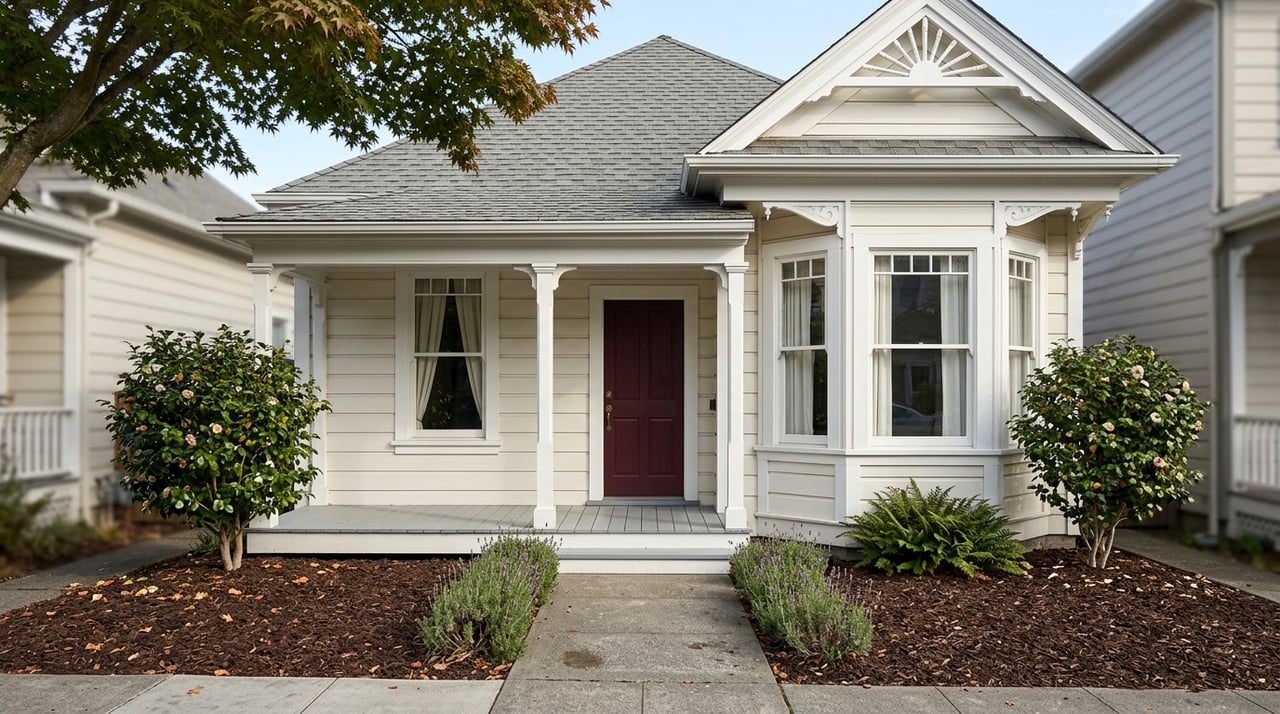
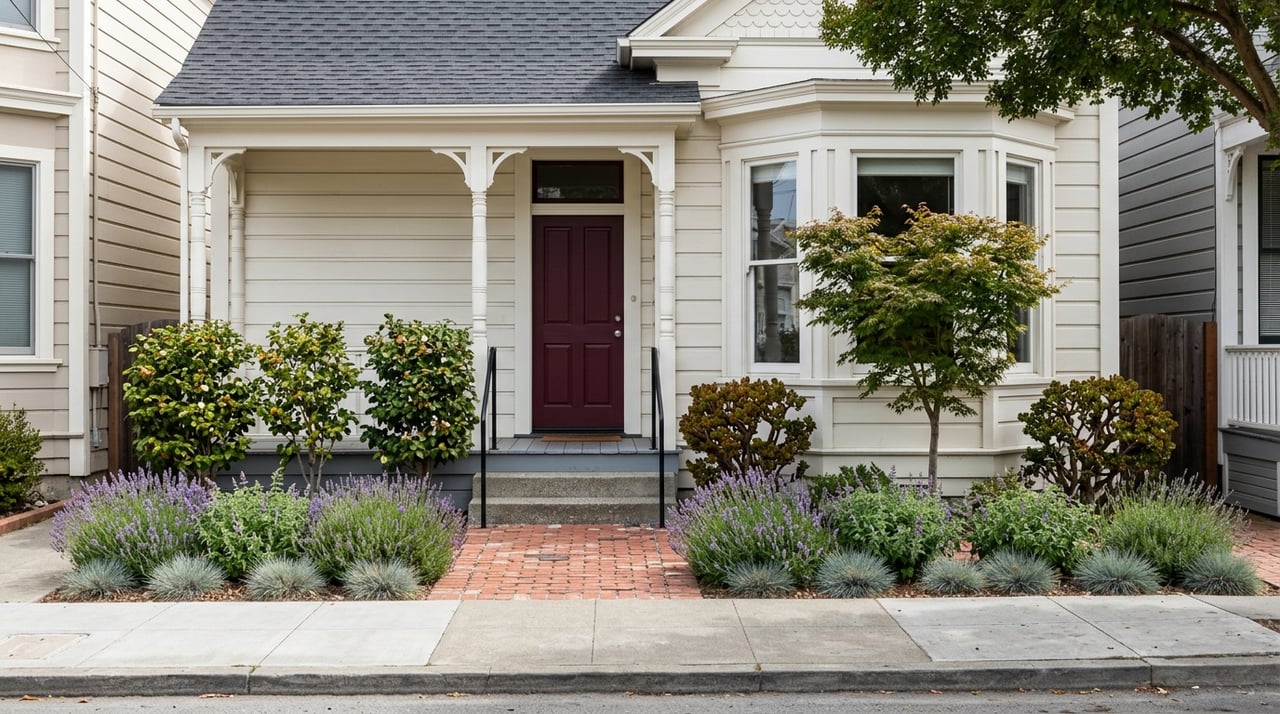
- Detached single-family homes in more established residential areas
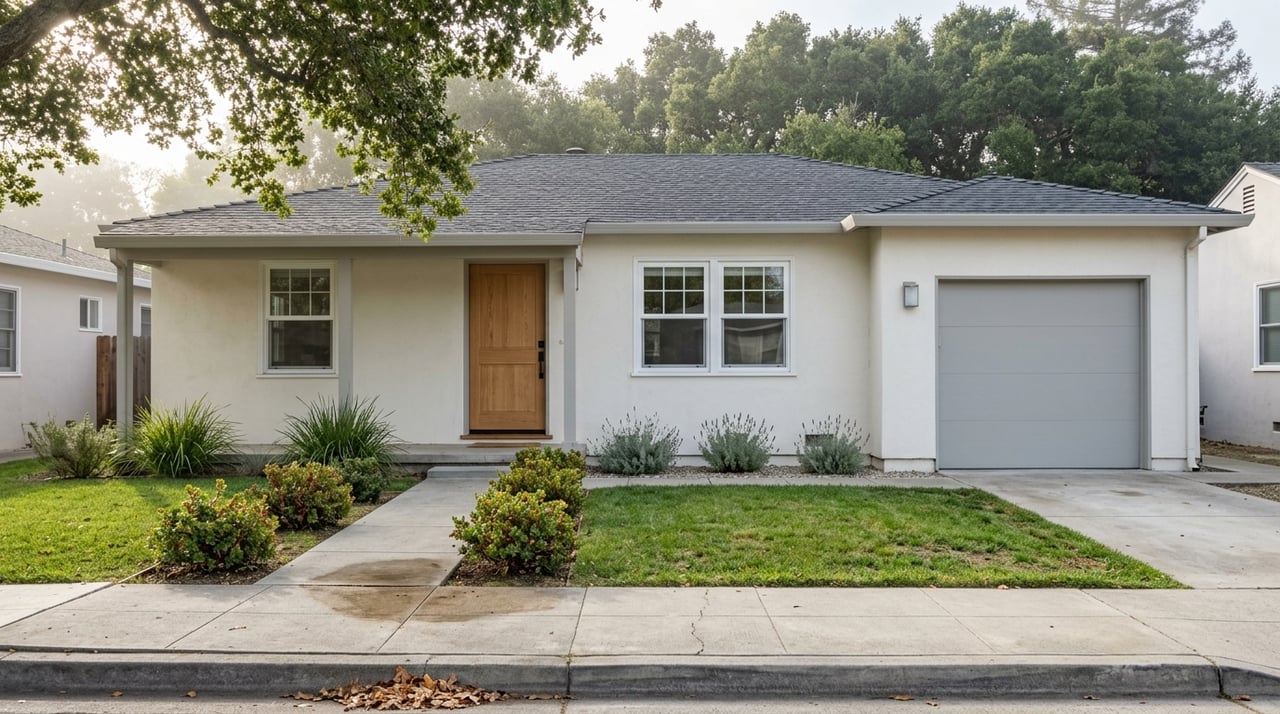
If you are a busy professional, this variety can be a plus. You may prioritize low-maintenance living near transit, or you may want more space and be willing to trade for a different commute pattern.
Price differences across Sunnyvale
Neighborhood values suggest a fairly wide range within the city. Zillow data in the research report places Murphy-area neighborhoods in the mid-$1 million range, Ponderosa in the high-$1 million range, and Washington Park and Gavello Glen in the low-to-high $2 million range.
That spread helps explain why Sunnyvale attracts different kinds of buyers. You can find areas that align more closely with a lock-and-leave lifestyle, while other parts of the city lean toward larger detached homes at higher price points.
How Sunnyvale Compares Nearby
If you are relocating or deciding between South Bay cities, price context matters. Zillow’s figures in the research report put Sunnyvale at about $2.14 million, Mountain View at about $2.03 million, Santa Clara at about $1.77 million, Cupertino at about $3.18 million, and San Jose at about $1.45 million.
That places Sunnyvale in the upper-middle of the South Bay market. It is above Santa Clara and San Jose, close to Mountain View, and notably below Cupertino.
For many buyers, that makes Sunnyvale a middle-ground option. You are still in a premium market, but you may find a better fit here than in some nearby cities if commute access and daily convenience are high on your list.
What Everyday Life Really Feels Like
For a busy tech professional, Sunnyvale often works because it supports practical routines. You have access to major job corridors, transit choices, freeway connections, parks, dining, and community amenities within the same city.
That does not mean every part of Sunnyvale lives the same way. Your day-to-day experience will depend a lot on where you live, where you work, and whether you value transit access, newer housing, or more traditional residential pockets.
The key is to match the neighborhood and home type to your real schedule, not just your wish list. When you do that well, Sunnyvale can offer a lifestyle that feels efficient during the week and enjoyable on the weekends.
If you are thinking about buying or selling in Sunnyvale and want help weighing commute patterns, housing options, and market positioning, Darlene Perry can help you make a smart move with clear, local guidance.
FAQs
What is daily life in Sunnyvale like for tech professionals?
- Daily life in Sunnyvale often centers on commute flexibility, nearby dining and errands, access to parks, and housing choices that range from transit-oriented homes to more established residential areas.
What commute options does Sunnyvale offer for South Bay workers?
- Sunnyvale offers Caltrain service, VTA bus routes, freeway access through US 101, I-280, SR 85, and SR 237, and in northwest Sunnyvale, the free Peery Park Rides on-demand service.
What are popular after-work activities in Sunnyvale?
- Many residents use Sunnyvale’s parks and trails, visit Baylands Park, dine along Murphy Avenue downtown, attend local festivals or concerts, or use amenities at the Sunnyvale Community Center.
Is Sunnyvale a good fit for buyers who want less car-dependent living?
- Sunnyvale can be a strong fit if you want to reduce car use, especially near Downtown or station areas, since the city has Caltrain access, VTA service, and active planning to improve walking and biking access to the station.
How expensive is the Sunnyvale housing market?
- The research report shows a March 2026 median sale price of $1.772 million and an April 30, 2026 typical home value of $2.144 million, which reflects a premium and fast-moving market.
How does Sunnyvale compare with nearby South Bay cities?
- Based on the research report, Sunnyvale home values are higher than Santa Clara and San Jose, close to Mountain View, and lower than Cupertino, placing it in the upper-middle of the South Bay market.