Wondering whether your Palo Alto home needs a big remodel before it hits the market? In many cases, it does not. What matters most is presenting the home clearly, addressing visible issues, and making sure your documentation is in order so buyers can move forward with confidence. Let’s dive in.
Why preparation matters in Palo Alto
Palo Alto is one of the Bay Area’s highest-value markets. Census QuickFacts shows median owner-occupied home values above $2,000,000 for 2020 through 2024, and Redfin reported a median sale price of about $3.5 million with homes averaging 12 days on market over the three months ending April 2026.
That kind of market can create opportunity, but it also raises the bar. Buyers often compare several well-presented homes quickly, so condition, presentation, and paperwork can influence both attention and negotiating leverage.
Start with the basics first
Before you think about major upgrades, begin with a disciplined cleanup and repair pass. A polished home tends to show better in photos, in video, and during in-person tours.
Focus first on simple, high-impact tasks such as:
- Cleaning windows, carpets, walls, and lighting fixtures
- Removing clutter and storing away extra personal items
- Tidying outdoor areas and improving curb appeal
- Fixing visible wear that may distract buyers
This approach is often the lowest-risk place to start. It helps your home feel cared for without forcing you into expensive projects that may not be necessary.
Decide what to repair
Not every issue needs a full replacement, but visible defects should be reviewed carefully. If a buyer notices small problems right away, they may assume bigger hidden issues exist.
A smart prep plan usually prioritizes repairs that improve first impressions and reduce buyer concern. Think about loose hardware, chipped paint, damaged screens, worn caulking, dripping faucets, or doors that do not close smoothly.
Consider a pre-sale inspection
A pre-sale inspection is optional, but it can help you identify issues before buyers do. According to the research report, inspections may cover structure, exterior, roof, plumbing, electrical systems, heating and air conditioning, interiors, ventilation or insulation, and fireplaces.
This can be especially helpful if your home is older or if you want fewer surprises during escrow. Once you understand the home’s condition, you can decide what to repair, what to disclose, and what to price around.
Match your prep to your home’s age
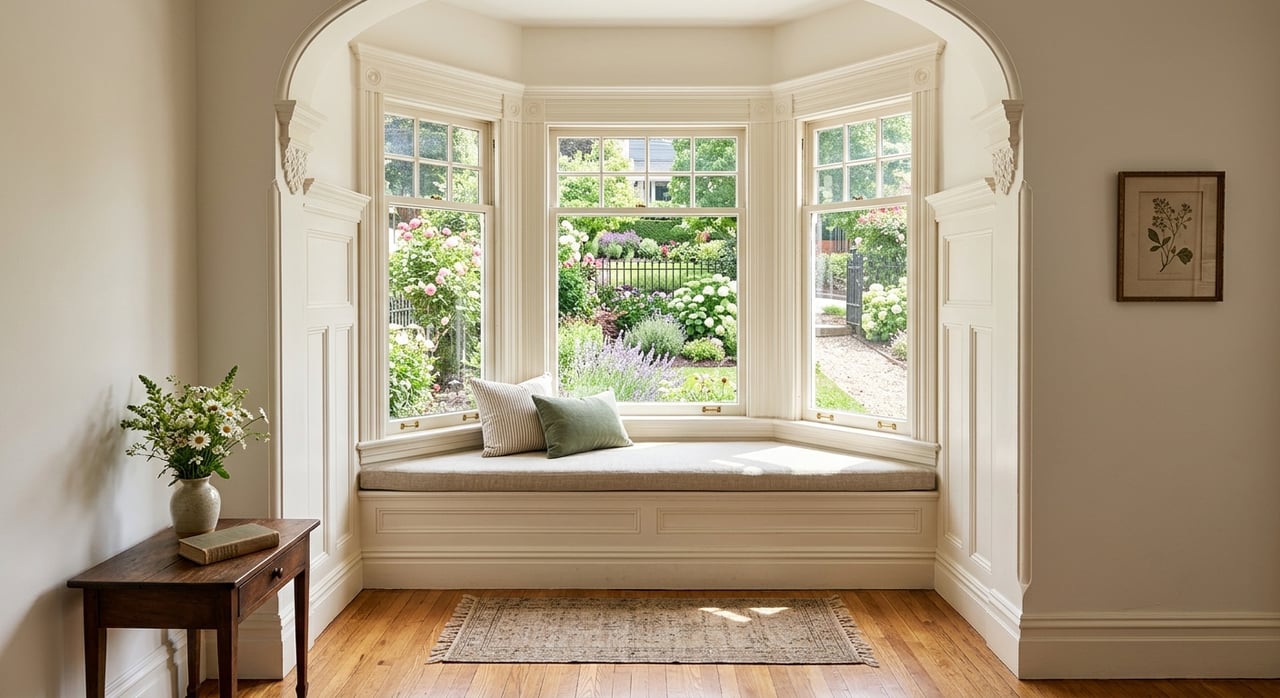
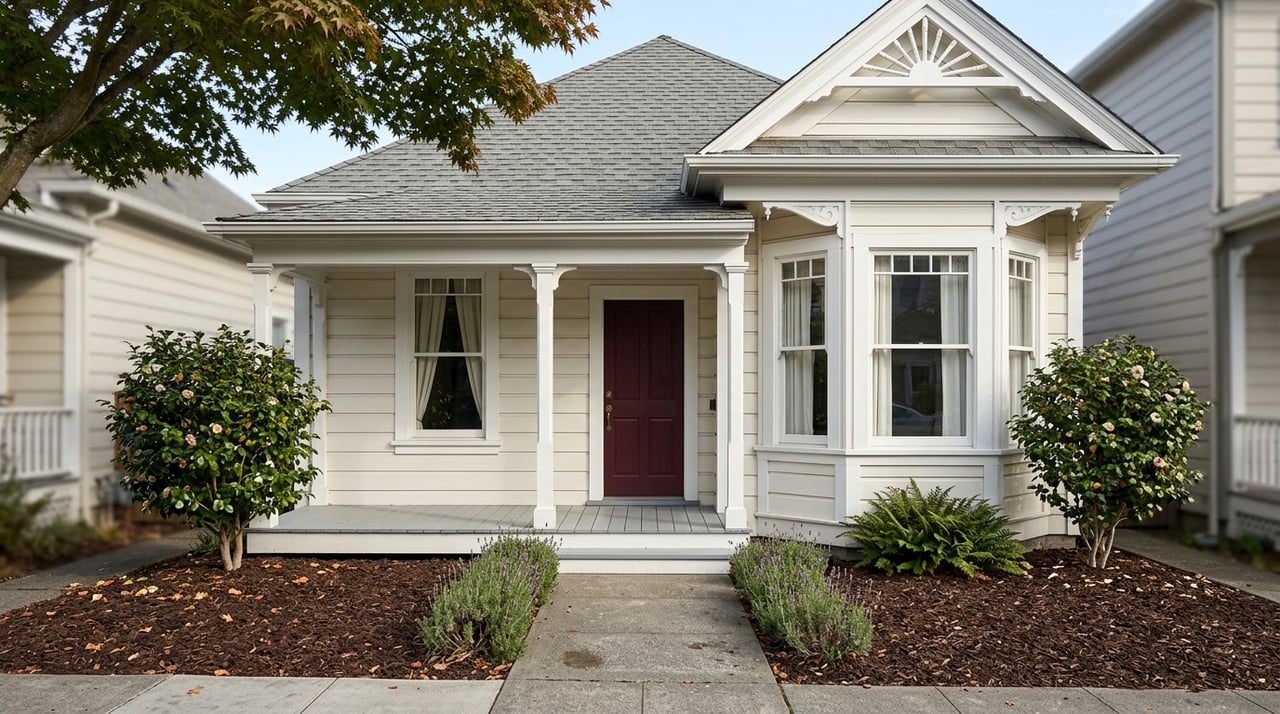
Palo Alto has a wide mix of housing styles and eras. Some homes date back to the late nineteenth and early twentieth centuries, while many others were built in the 1950s through 1970s, and newer construction continues in some areas.
Because of that mix, listing prep is rarely one-size-fits-all. An older home and a newer remodeled home often need different strategies.
Older Palo Alto homes
Older homes often need more attention to maintenance, documentation, and character-sensitive updates. City guidance notes that older residences require periodic maintenance and may need alterations to fit current lifestyles.
If you own an older home, focus on repair triage first. Address deferred maintenance, organize records for prior work, and be thoughtful about cosmetic changes so the home feels fresh without losing the features that give it identity.
Mid-century and postwar homes
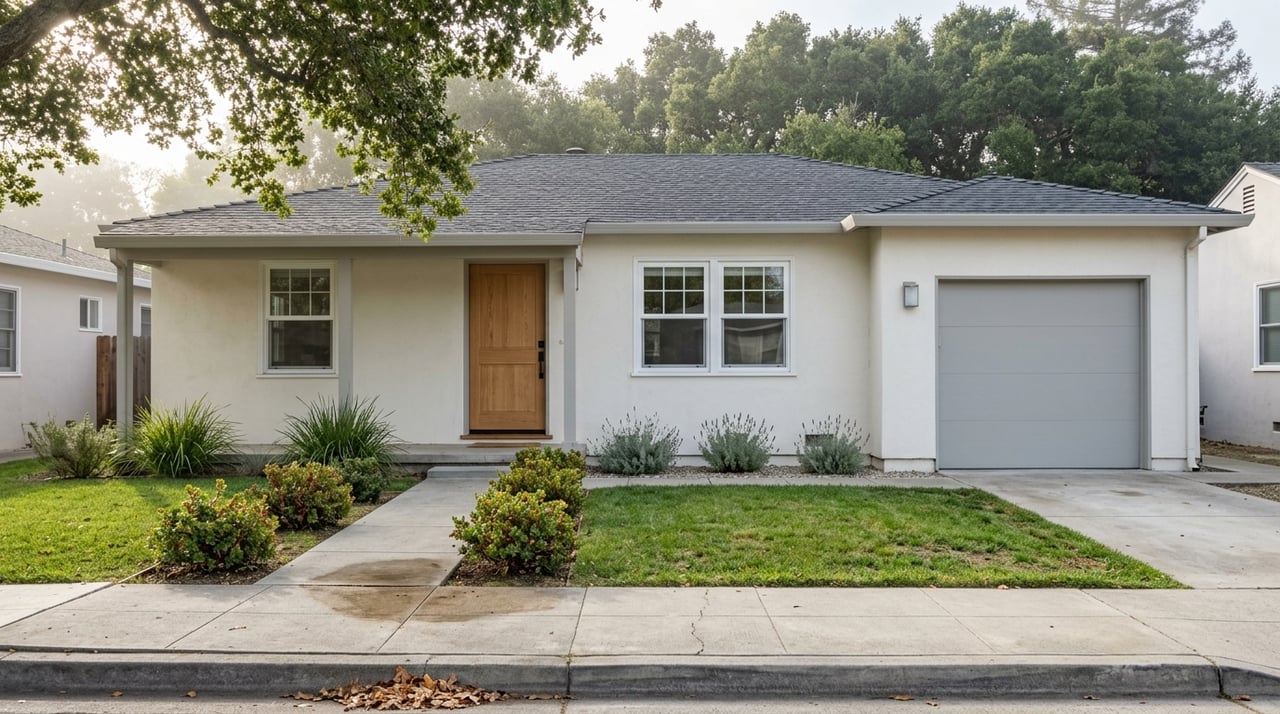
Many Palo Alto homes from the 1950s through 1970s also need periodic maintenance and updates. These homes can show very well when their design feels coherent and their condition is easy to understand.
For these properties, sellers often benefit from a clean, streamlined presentation. Simple staging, clear lighting, and a tidy record of improvements can help buyers see the home’s layout and potential more easily.
Newer homes and major remodels
If your home is newer or has been substantially remodeled, heavy cosmetic intervention may not be the best use of time or money. In many cases, buyers respond best when finishes look consistent, the home is spotless, and the permit record is clear.
That means your prep may center less on updating and more on confirming that everything is complete, polished, and well documented.
Gather permits before you list
In Palo Alto, permit history can be an important part of pre-listing preparation, especially if your home has had additions, remodels, or other substantial work. The city provides Permit View for reviewing building, planning, and enforcement permits.
This matters because buyers may ask detailed questions about prior improvements. If you can organize permit records early, you may avoid delays and reduce confusion once offers start coming in.
What to pull together
Before listing, it helps to collect:
- Records for additions and remodels
- Permit history for major improvements
- Contractor information, if available
- Receipts or summaries for significant repairs
- Any plans or documents tied to completed work
If paperwork is incomplete, it is better to identify that upfront than to scramble during escrow. Clear documentation helps buyers feel more comfortable with what they are purchasing.
Prepare for California disclosures
California sellers have multiple disclosure responsibilities. The California Department of Real Estate explains that the Transfer Disclosure Statement covers the property’s physical condition and potential hazards or defects, and that a real estate agent must conduct a visual inspection and disclose readily observable defects.
Additional disclosures may also apply depending on the home’s location, age, and other factors. That makes early preparation especially important in a detail-driven market like Palo Alto.
Pay attention to newer disclosure updates
The research report notes that California’s Natural Hazard Disclosure Statement now includes whether a home is in a high fire hazard severity zone and whether it is in a state or local responsibility area. It also notes that sellers who took title within the previous 18 months must disclose certain contractor-performed additions, alterations, structural modifications, or repairs of $500 or more, along with contractor names and permit copies.
These updates make paperwork even more important. If your property has had recent work, start gathering those details as early as possible.
Lead-based paint for older homes
If your home was built before 1978, lead-based paint may be a required disclosure issue. The research report states that federal disclosure rules apply to most pre-1978 housing and that older homes are more likely to contain lead-based paint.
For sellers of older Palo Alto properties, this is one more reason to begin the preparation process early. A well-organized disclosure package can help keep your sale moving forward.
Stage the rooms that matter most
Staging is not only about style. It helps buyers understand how the home lives.
The research report shows that 83% of buyers’ agents said staging made it easier for buyers to visualize the home as a future residence. It also found that 49% of sellers’ agents said staging reduced time on market, and 29% said staging increased the dollar value offered by 1% to 10%.
Prioritize key spaces
If you are not staging every room, start with the spaces buyers tend to notice most:
- Living room
- Primary bedroom
- Kitchen
These rooms often shape the overall impression of the home. When they look bright, functional, and inviting, the rest of the property tends to benefit too.
Make your home photo-ready
Online presentation plays a major role in how quickly buyers decide whether to visit a home. The research report notes that 81% of buyers rated listing photos as the most useful feature in their home search, and 52% found the home they purchased online.
That means your home should be ready for the camera before the listing goes live. If the first impression online is strong, you are more likely to generate quality showing requests and stronger early interest.
What photo-ready really means
A photo-ready home usually includes:
- Clean, uncluttered surfaces
- Open sight lines and balanced furniture placement
- Working light bulbs and bright rooms
- Minimized personal items
- Neat exterior spaces and entry areas
In a market like Palo Alto, buyers often make quick decisions from photos and video. Strong visuals support the story your home is telling from the very first click.
Follow a smart pre-listing sequence
If you are unsure where to begin, keep the process simple. The most practical sequence in the research report is to clean and declutter, repair visible defects, confirm permits and disclosures, stage key rooms, and then launch with strong photography and video.
That order helps you avoid wasted effort. It also helps your home enter the market looking complete rather than rushed.
Final thoughts on selling well in Palo Alto
Preparing your Palo Alto home for sale is usually less about doing everything and more about doing the right things in the right order. A clear plan can help you protect value, reduce surprises, and present your home with confidence.
If you want guidance on what to fix, what to leave alone, and how to position your home for today’s Bay Area buyers, Darlene Perry can help you build a smart, market-ready plan.
FAQs
What should sellers do first when preparing a Palo Alto home for sale?
- Start with cleaning, decluttering, curb appeal, and a review of visible repair issues before considering major updates.
Should sellers get a pre-sale inspection for a Palo Alto home?
- A pre-sale inspection is optional, but it can help identify issues early so you can decide what to repair, disclose, or price around.
Do Palo Alto sellers need permit records before listing a home?
- If the home has had additions, remodels, or other major work, gathering permit records early can help answer buyer questions and reduce delays.
What disclosures matter when selling a home in California?
- Sellers may need to provide the Transfer Disclosure Statement, natural hazard disclosures, agency disclosures, and other disclosures based on the property’s age, location, and history.
How should sellers prepare an older Palo Alto home for the market?
- Older homes often benefit from maintenance updates, careful repair triage, organized records, and attention to any required lead-based paint disclosures if built before 1978.
Which rooms matter most for staging a Palo Alto home?
- The living room, primary bedroom, and kitchen are often the most important rooms to stage because they strongly shape buyer impressions.