If you like the idea of stepping বাইরে for coffee, dinner, live music, or a train connection within minutes, living near Castro Street in Mountain View may be exactly the kind of setup you want. At the same time, downtown living is different from a quieter, more detached-home setting, so it helps to know what daily life really looks like before you make a move. This guide breaks down the street feel, housing mix, transit options, and lifestyle trade-offs around Castro Street so you can decide whether this part of Mountain View fits your goals. Let’s dive in.
Castro Street Sets the Tone
Castro Street is the functional and symbolic center of downtown Mountain View. The City describes downtown as a mixed-use, walkable city center on Castro Street between Evelyn Avenue and El Camino Real, with the core generally understood as the four blocks on either side of Castro Street between Evelyn and Mercy.
That matters because “living near Castro Street” usually means living in or next to a compact downtown environment. This is the most urban part of Mountain View, shaped around walking, dining, shopping, and transit rather than a purely car-oriented suburban pattern.
The pedestrian malls on the 100, 200, and 300 blocks of Castro Street reinforce that walk-first feel. If you want activity, convenience, and a true downtown rhythm, this area stands out. If you prefer a large-lot residential setting, you will likely want to look a little farther from the commercial core.
Daily Life Near Downtown Mountain View
One of the biggest draws of living near Castro Street is how much is built into everyday life. Downtown Mountain View offers restaurants, shopping, performing arts, a civic center, and a plaza, all within a pedestrian-oriented setting.
The City also highlights specialty shops, bookstores, coffeehouses, and sidewalk cafes. In practical terms, that means your errand run or dinner plan can feel more spontaneous here than in many nearby suburban areas.
Events Add Energy
Castro Street is not just a place to pass through during the day. It also functions as a gathering place for recurring community events, including the Farmers Market, the Mountain View Art and Wine Festival, and the city’s summer concert series.
A current example is Music on Castro, which the City says runs from April to October 2026 with live Wednesday performances on the 200 block near Dana Street. That kind of programming gives downtown a more active evening feel and adds to the appeal for residents who enjoy being close to public events.
Parks and Civic Amenities Nearby
Living near Castro Street does not mean giving up access to open space. The civic core includes Pioneer Park, the Mountain View Public Library, and the Mountain View Center for the Performing Arts.
Pioneer Park offers open lawn space, benches, picnic tables, public art, and drinking fountains. Eagle Park & Pool on Franklin Street adds a playground, pool, off-leash dog area, and picnic space, giving nearby residents another useful recreation option.
For a broader change of scenery, Mountain View’s Parks Division says the city maintains 45 urban parks and 9.95 miles of bicycle and pedestrian trails. The City also identifies Shoreline at Mountain View as a 750-acre wildlife and recreation area connected to nine miles of multi-use trails.
Transit Is a Major Advantage
For many buyers and renters, the biggest lifestyle benefit of living near Castro Street is transportation flexibility. The Mountain View Transit Center gives downtown front-door access to multiple transit options and serves more than 12,000 boardings and alightings on a typical weekday, according to the City.
Services at or connected to the transit center include Caltrain, Santa Clara Valley Transportation Authority light rail, public buses, and private shuttles. If your routine involves commuting, regional travel, or simply reducing car use, this location checks an important box.
Caltrain and Local Connections
Caltrain’s Mountain View station is located at 600 W. Evelyn Ave. The station includes bike racks, BikeLink e-lockers, parking, ticket machines, and connections to VTA routes 21, 40, 51, and 52, Orange Line light rail, and MVgo shuttles A through D.
That level of connectivity can make a real difference in your home search. Instead of evaluating only the property itself, you can also think about how much daily convenience you gain from having regional and local transit close by.
Free Shuttle Options Around Town
Mountain View also offers free public shuttle service that supports a car-light lifestyle. The Mountain View Community Shuttle operates at 50 stops throughout town on weekdays from 7 a.m. to 7 p.m. and on weekends and holidays from 10 a.m. to 6 p.m.
MVgo is also free and open to the public, with weekday commute routes connecting the Mountain View Transit Center to North Bayshore, East Whisman, San Antonio, and downtown Mountain View. For residents near Castro Street, these added layers of mobility can make it easier to move around without relying on a car for every trip.
Walking and Biking Matter Here
Mountain View says the city has accessible sidewalks, an expanding bike lane network, and more than 10 miles of trails. There is also short-term bicycle storage at the Downtown Transit Center at Castro and Evelyn.
If you are comparing neighborhoods, this is an important distinction. Near Castro Street, walking and biking are not just recreational extras. They are part of how many people navigate daily life.
What Housing Looks Like Near Castro Street
Housing near Castro Street tends to follow the logic of a downtown core. Along Castro Street itself, the downtown plan calls for retail and restaurant frontage at street level, with residential or office uses above.
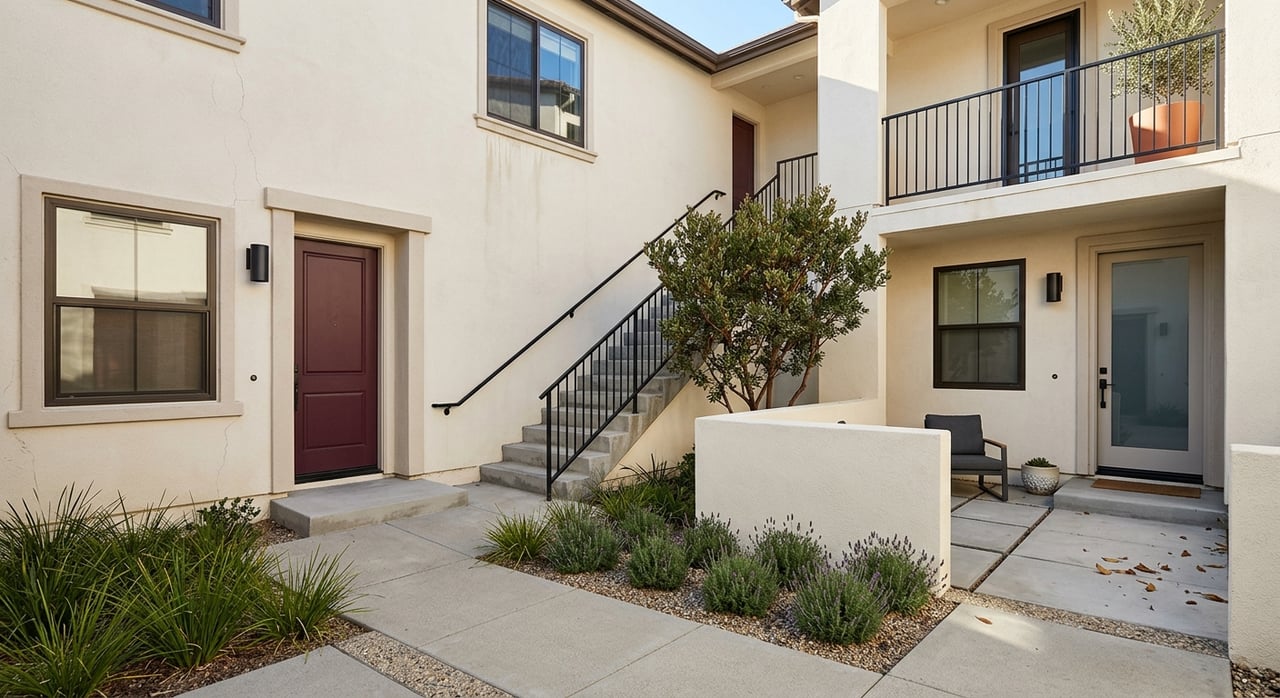
That usually translates to condo-style, apartment-style, or mixed-use living closest to the main commercial corridor. If your priority is immediate access to dining, events, and transit, that can be a strong match.
Expect a Transition Beyond the Core
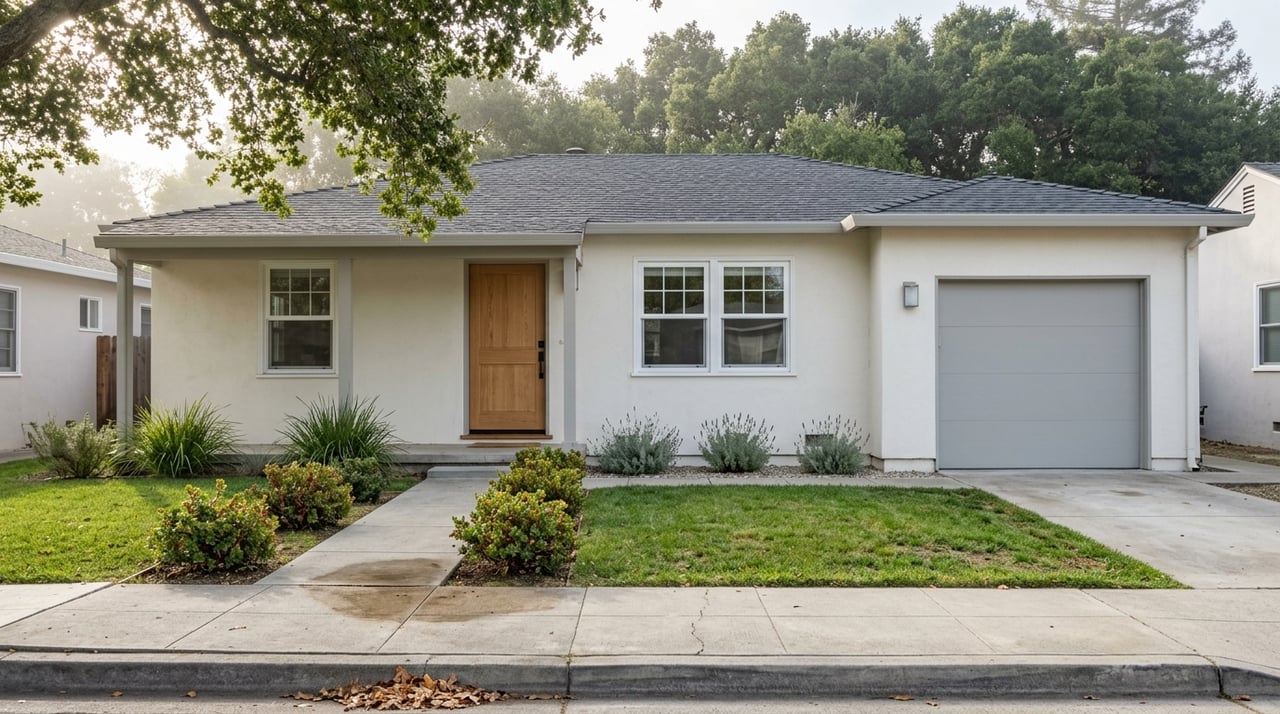
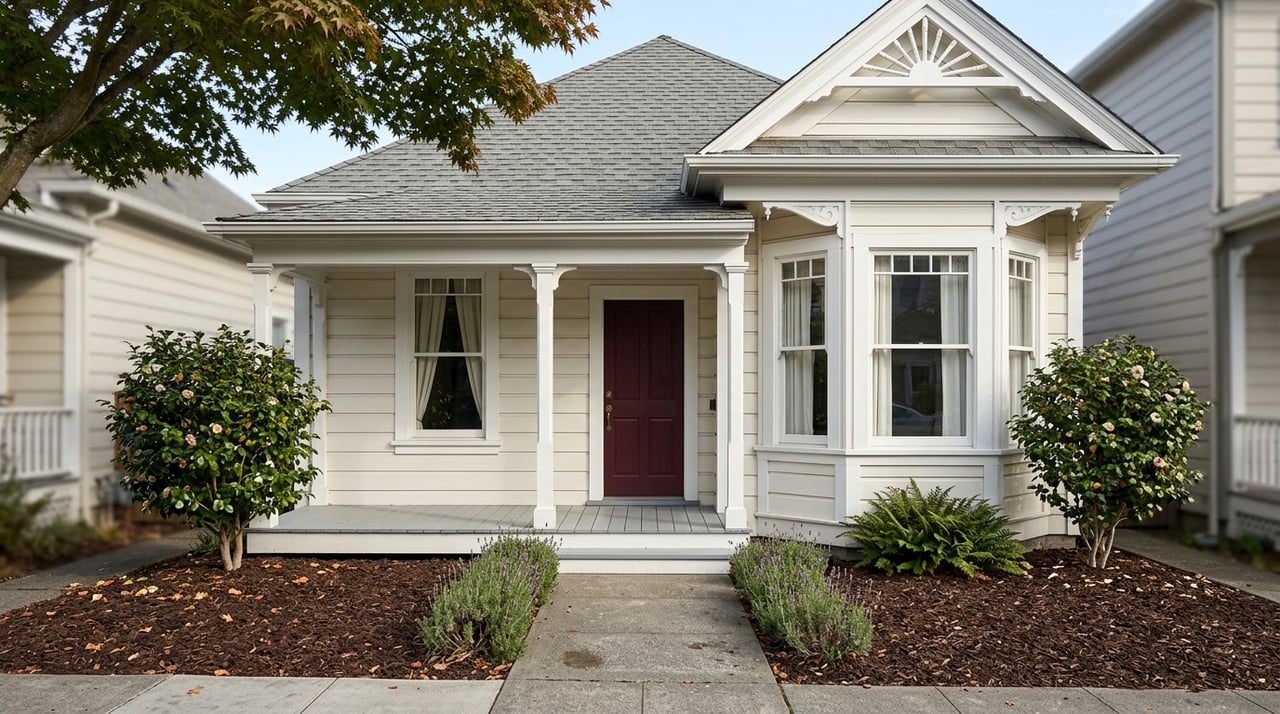
The City’s planning documents show a more varied housing pattern as you move away from the center. Downtown is surrounded by predominantly single-family neighborhoods, and new residential development is intended to be concentrated in transition areas and mixed-use projects throughout downtown.
In those transition areas, the plan describes one- and two-story single-family homes, small apartments, and multi-family or mixed residential and office development. Some Hope Street frontages specifically reference townhouse- or rowhouse-style homes with stoops and individual entries.
Scale Stays Relatively Moderate
Most new development in the downtown plan area is low- to mid-rise rather than high-rise. The intended building scale also steps down as it approaches nearby residential streets.
For you as a buyer, that means the feel can change block by block. Closest to Castro Street, you should generally expect a more urban housing form. A little farther out, quieter streets and detached homes become more common.
Is Living Near Castro Street Right for You?
This area tends to work best if you want a downtown lifestyle first. You may be a strong fit for living near Castro Street if you value being able to walk to restaurants, enjoy community events, reach transit easily, and live in a compact neighborhood with a steady sense of activity.
You may want to think more carefully if your top priority is a traditional suburban feel with more separation from commercial activity. While downtown Mountain View is surrounded by single-family neighborhoods, the core itself is designed for mixed-use, pedestrian-oriented living.
A simple way to frame it is this:
- Best fit: Buyers who want convenience, transit access, dining, and a walkable city-center feel
- Possible fit: Buyers open to condos, townhomes, mixed-use buildings, or smaller-lot living near an active core
- Less aligned: Buyers focused on a large-lot, detached-home environment right outside their front door
Why the Planning Context Matters
The City is updating the Downtown Precise Plan to revise the area’s vision, land-use mix, development standards, streetscape standards, and parking and signage regulations. As of January 27, 2026, the City says that project is on temporary hold and is expected to resume in 2027.
For buyers and sellers, that is a reminder that downtown Mountain View is an actively managed urban center. Even if your move timeline is immediate, it is helpful to understand that the City continues to shape how this area grows and functions over time.
Final Thoughts on Castro Street Living
Living near Castro Street in Mountain View is really about choosing a lifestyle. You are not just choosing a home. You are choosing proximity to restaurants, events, parks, civic amenities, and one of the strongest transit hubs in the area.
For the right buyer, that mix can be hard to beat. If you want help narrowing down which blocks, housing types, or nearby pockets of Mountain View best fit your routine and budget, Darlene Perry can help you make a smart, well-informed move.
FAQs
What is Castro Street in Mountain View known for?
- Castro Street is the center of downtown Mountain View and is known for its walkable, mixed-use setting with restaurants, shops, civic amenities, events, and pedestrian-only block segments.
What is the housing like near Castro Street in Mountain View?
- Housing closest to Castro Street is generally more urban in form, including mixed-use buildings, condos, and apartments, while nearby transition streets include small apartments, townhome-style homes, and single-family houses.
Is Castro Street Mountain View good for commuting?
- The area offers strong transit access through the Mountain View Transit Center, with Caltrain, VTA light rail, buses, free shuttles, and bike connections all serving downtown.
Are there parks near Castro Street in Mountain View?
- Yes, nearby options include Pioneer Park and Eagle Park & Pool, and the city also offers many parks, trails, and access to the larger Shoreline at Mountain View recreation area.
Is living near Castro Street in Mountain View walkable?
- Yes, the area is designed as a pedestrian-oriented downtown with accessible sidewalks, pedestrian mall blocks, nearby civic amenities, and easy access to dining and shopping.
Who should consider living near Castro Street in Mountain View?
- This location is often a good fit for people who want a compact downtown lifestyle with easy access to transit, restaurants, events, and everyday conveniences.