Dreaming about vineyard views, charming town centers, and a slower pace that still feels connected to the Bay Area? Wine country living in Napa and Sonoma can be incredibly appealing, but the day-to-day reality depends a lot on where you land and how you plan to use the property. If you are considering a primary home, weekend retreat, or long-term investment in this part of Northern California, this guide will help you understand the lifestyle, housing patterns, and practical ownership issues that matter most. Let’s dive in.
Napa and Sonoma at a Glance
Napa and Sonoma are often grouped together, but they do not feel exactly the same. According to Visit Napa Valley’s guide to towns and regions, Napa Valley is a more compact destination made up of five towns: Calistoga, St. Helena, Yountville, Napa, and American Canyon. Sonoma County is broader, with more than 30 towns, villages, and cities and 19 American Viticultural Areas.
In practical terms, Napa often feels more concentrated and town-centered, while Sonoma can feel more spread out and back-road oriented. That difference matters when you are thinking about daily errands, weekend routines, and how much driving you want built into your lifestyle.
Wine Country Lifestyle by Season
One of the biggest draws of wine country is that the lifestyle changes with the seasons. You are not buying into one fixed experience. You are buying into a yearly rhythm.
Spring Feels Fresh and Active
In Sonoma County, spring is known for bloom season, with green landscapes and a renewed outdoor feel. This time of year can feel especially inviting if you enjoy scenic drives, patio dining, and a quieter pace before the busiest travel months.
Summer Brings Warm Days
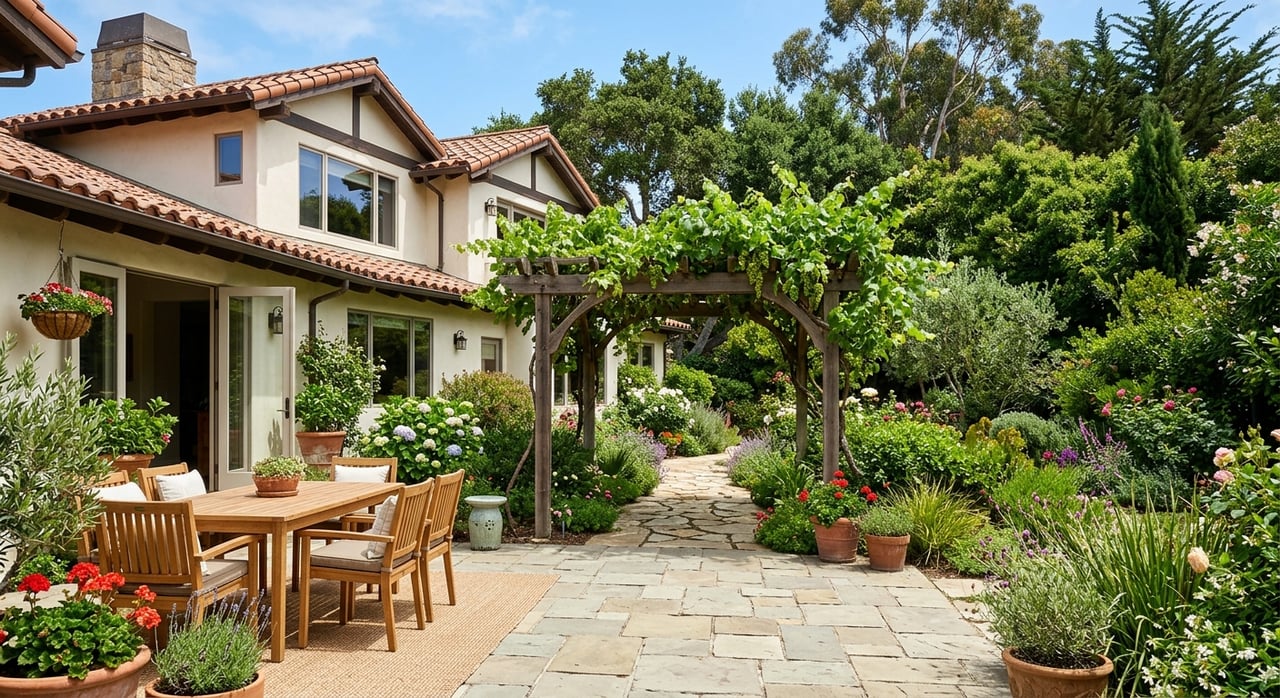
Visit Napa Valley’s weather overview describes Napa Valley as having a Mediterranean climate with warm summers, cool evenings, and winter rain. Sonoma County Tourism describes a similar pattern of warm summer days and cool nights. For you, that often means outdoor dinners, evening walks, and a strong indoor-outdoor lifestyle during much of the year.
Fall Is Harvest Season
Harvest is one of the most iconic parts of wine country living. In Napa, harvest typically runs from August through October, with some activity stretching into early November. Sonoma County also describes fall as harvest season, with festivals and a busy social energy from August through November.
This is often the most vibrant and visitor-heavy stretch of the year. If you love energy, events, and being close to tasting rooms and restaurants, fall can feel exciting. If you prefer a quieter routine, it is helpful to understand that this season brings more traffic and advance reservations for dining and tastings.
Winter Feels Quieter
Sonoma County Tourism describes winter as mild, green, and less crowded. That seasonal shift can make wine country feel more residential and relaxed. For many buyers, this quieter period is an important reminder that life here is not only about peak tourism.
Town Feel and Daily Experience
Wine country living is about more than vineyards. It is also about how you want your everyday life to work.
Visit Napa Valley notes that Yountville is walkable and culinary, Calistoga is known for spa and wellness experiences, and Napa is vibrant and stylish. These descriptions help illustrate how different the feel can be from one Napa Valley town to another.
Both Napa and Sonoma are shaped by strong food and wine culture. Napa has more than 400 wineries open for tastings and 90 urban tasting rooms, while Sonoma County has more than 425 wineries and more than 500 eateries, according to Visit Napa Valley’s regional overview. For you, that can mean easy access to restaurants, tasting rooms, and active commercial districts, depending on the area you choose.
Tourism also plays a real role in daily life. Visit Napa Valley says tourism is Napa County’s second-largest industry and generates more than $2.2 billion in annual spending. That helps explain why hospitality, visitor traffic, and event activity are such visible parts of the local experience.
Housing Options in Napa
If you are focused on Napa, it helps to know that housing choices vary widely between city neighborhoods and county properties.
In-Town Napa Housing
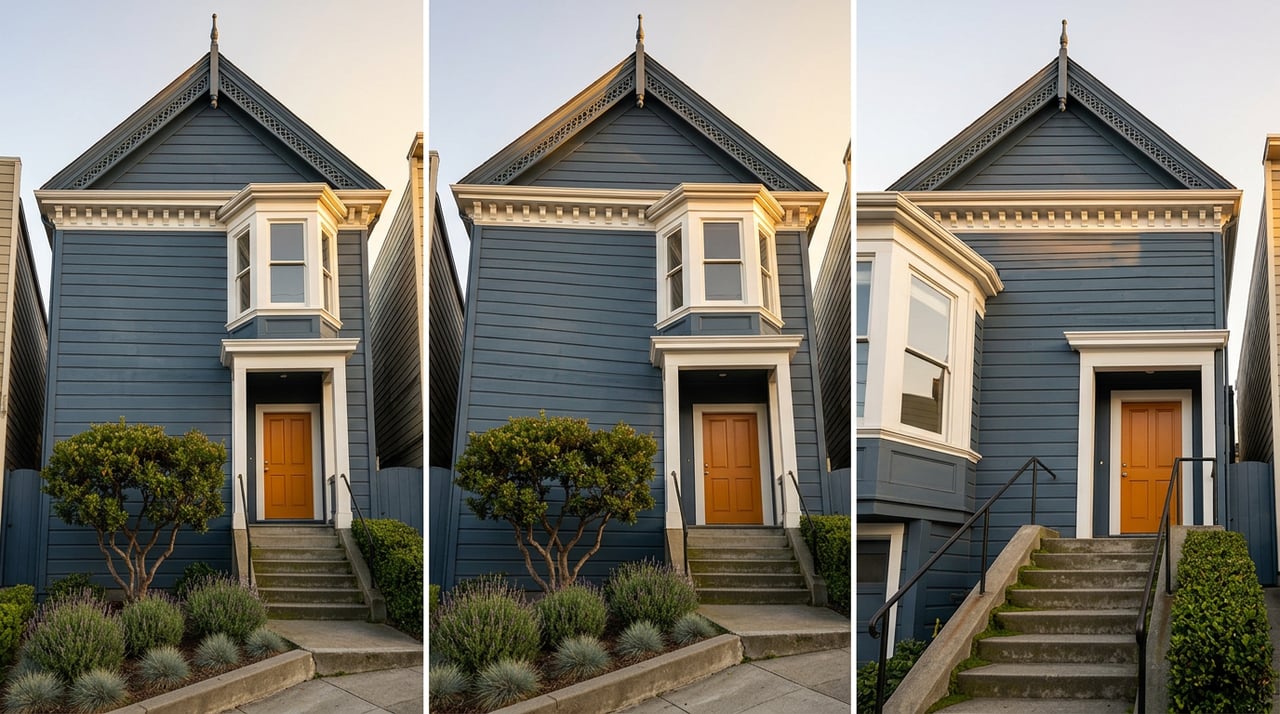
In downtown Napa, city planning documents describe a limited amount of housing that is primarily made up of single-family homes, duplexes, apartments, and the Riverfront project with 50 condominiums. Nearby older neighborhoods include a broader mix of housing types, from larger single-family homes to apartment complexes, and some areas include historic districts.
For a buyer, that means in-town Napa can offer a more traditional residential experience with access to shops, dining, and community amenities, while also presenting a mix of older housing stock and some attached housing options.
Napa County Land Use
At the county level, Napa County’s General Plan makes it clear that agriculture is the primary land use and that housing and commercial growth should be concentrated in incorporated jurisdictions and designated urban areas. The plan includes large minimum parcel sizes in certain rural and agricultural designations, including 10-acre minimums in Rural Residential areas, 40-acre minimums in Agricultural Resource areas, and 160-acre minimums in Agriculture, Watershed and Open Space areas.
That creates an important split in the market. Some properties are more town-oriented and residential, while others are larger-lot or vineyard-adjacent properties shaped by stricter land-use frameworks. If you are exploring a rural Napa property, the details of zoning and permitted uses matter a great deal.
How Sonoma Differs
Sonoma County shares some similarities with Napa, but the development pattern is different. According to a regional fair housing planning document referenced by Sonoma County, unincorporated Sonoma areas are largely shaped by agricultural residential and rural residential designations, while higher-density multifamily zoning is concentrated in a smaller number of locations.
For you, that often means Sonoma may offer a more dispersed feel depending on the area, with some communities centered around small commercial cores and others feeling much more rural. If your goal is a tucked-away property with a country feel, Sonoma may align with that vision. If you want a more compact, town-based routine, certain Napa locations may feel easier to navigate.
Commuting and Regional Access
Even if you are buying for lifestyle first, access still matters. You may be balancing weekend use, hybrid work, or regular travel to other parts of the Bay Area.
Napa County says the Vine transit system connects the county to BART, the Vallejo Ferry, the Fairfield-Suisun Transit Center, and the Suisun Amtrak station. Sonoma County’s SMART rail system serves Marin and Sonoma counties and connects to San Francisco via the Larkspur Ferry, according to the same regional transportation overview.
This does not make every location an easy commute, but it does show that regional connections exist. If commute convenience is part of your decision, the exact town and property location will make a big difference in how practical the lifestyle feels.
Think Carefully About Short-Term Rentals
This is one of the most important topics for second-home buyers. A wine country home should not be treated like a generic nightly rental opportunity.
City of Napa Rules
In the City of Napa, new vacation-rental applications are not being accepted, wait lists exist, and permits are capped. The city also notes that existing non-hosted permits may transfer and hosted rentals are limited to two bedrooms.
Napa County Rules
In Napa County’s unincorporated areas, the Transient Occupancy Tax page requires annual registration and a certificate of authority for short stays, but the county also states that this certificate does not authorize unlawful use. County planning records describe transient commercial occupancies of dwelling units as prohibited in residential and agricultural zoning districts.
City of Sonoma Rules
In the City of Sonoma, new vacation rentals were prohibited effective in early 2018, with limited exceptions tied to adaptive reuse of a historic structure. The city also states that ADUs, junior ADUs, and efficiency units may only be rented for 30 days or more.
Sonoma County Rules
In Sonoma County’s unincorporated areas, owners need a certified vacation-rental property manager, permit, TOT number, and annual license. The county has also added caps and exclusion zones in some districts.
The bottom line is simple: if your purchase depends on short-term rental income, you need property-specific review of jurisdiction, zoning, permit history, and current local rules before you move forward.
Who Wine Country Living Fits Best
Wine country living can be a strong fit if you want a home base that offers scenery, seasonal energy, and access to food and wine culture. It can also work well if you value a lifestyle that shifts throughout the year, from lively harvest months to quieter winter stretches.
It may be especially appealing if you are deciding between a full-time move and a second-home purchase and want to compare a more town-centered Napa experience with a broader, more rural Sonoma feel. The key is matching the property to the life you actually want to live, not just the postcard version.
Final Thoughts on Napa and Sonoma
Napa and Sonoma both offer a compelling version of wine country living, but they do so in different ways. Napa often feels more compact, polished, and town-oriented, while Sonoma often feels more expansive and varied. Neither is better for everyone.
Your best choice depends on how you define convenience, privacy, seasonal activity, and long-term use. If you want help thinking through Bay Area lifestyle trade-offs, second-home questions, or how a wine country purchase fits into your broader real estate plans, connect with Darlene Perry for thoughtful, personalized guidance.
FAQs
What is the difference between Napa and Sonoma living?
- Napa generally feels more compact and town-centered, while Sonoma often feels more spread out, rural, and back-road oriented.
What is harvest season like in Napa and Sonoma?
- Harvest season usually runs from August into October or November and tends to bring the most activity, events, visitors, and demand for reservations.
What types of homes can you find in Napa?
- Napa includes in-town options like single-family homes, duplexes, apartments, and some condominiums, plus rural and larger-lot properties shaped by county land-use rules.
Can you use a Napa or Sonoma home as a short-term rental?
- It depends on the exact city or county jurisdiction, zoning, permit status, and local regulations, which vary significantly across Napa and Sonoma.
Is wine country living practical for Bay Area buyers?
- It can be, especially if you want a primary home or second home with regional access, but commute patterns and transportation convenience depend heavily on the exact location.