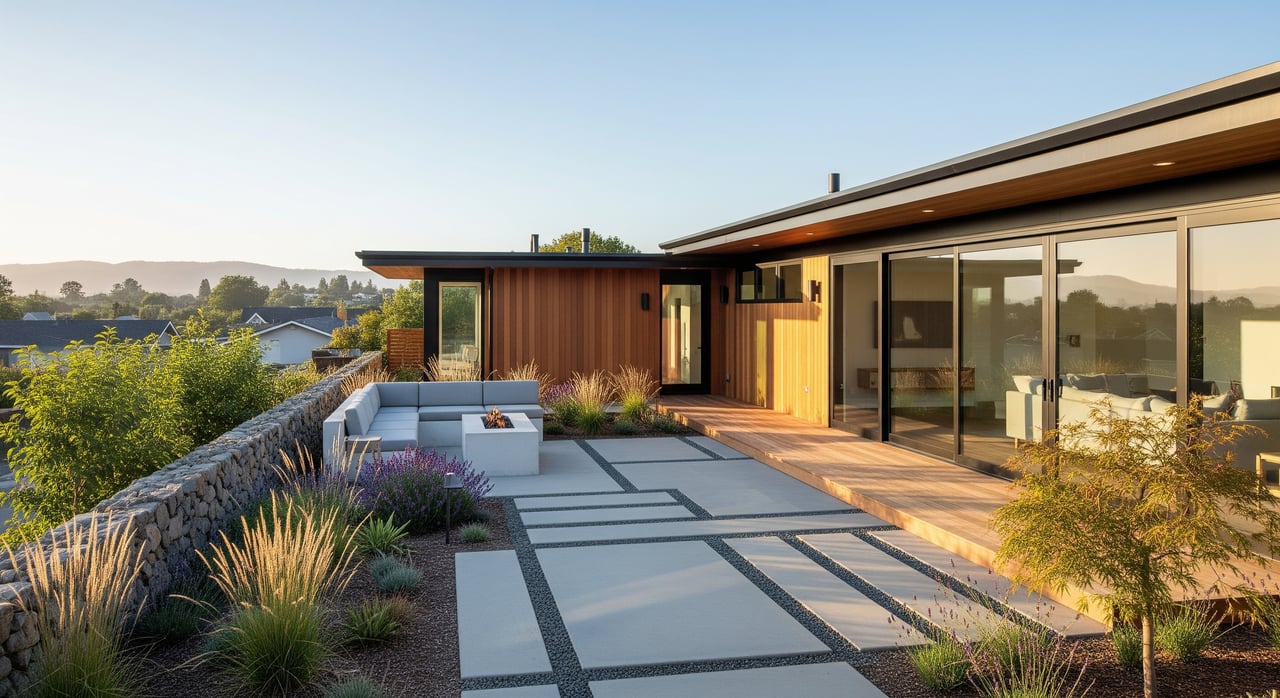
Thinking about building an accessory dwelling unit on your Sunnyvale property? You’re not alone. ADUs can add flexibility for family, potential rental income, or space to work. The rules can feel complicated, though, and you want to get it right before you invest time and money. In this guide, you’ll learn how state law and Sunnyvale’s local standards work together, what to check on your lot, typical costs and timelines, and a simple step-by-step plan to move forward. Let’s dive in.
State vs local rules
California law broadly supports ADUs. Most qualifying projects are reviewed ministerially, which means the City uses objective standards without a public hearing. State law also limits parking requirements in many cases and streamlines conversions of existing spaces like garages.
Sunnyvale still applies local, objective standards. You must follow zoning, size limits, setbacks, height, and design standards that do not conflict with state law. The City also oversees utilities, fees, and inspections. Your best result comes from understanding both layers before you design.
Zoning and lot eligibility
Not every lot is the same. Start by confirming your property’s basics.
- Zoning district. Check whether your lot is single-family or multi-family, since unit counts and standards can differ.
- Lot size and shape. Irregular or flag lots sometimes have special siting rules.
- Easements and tree constraints. Sewer, utility, drainage, or tree protections can affect placement.
- HOA or CC&Rs. Some private covenants may limit ADUs. Review these early.
- Historic or landmark status. Additional review can apply in special cases.
Why this matters: eligibility and standards determine if a detached unit fits, whether you can build a junior ADU inside the home, and how large the ADU can be.
ADU types
There are several options to match your goals, budget, and lot.
- Detached ADU. A separate structure, often in the rear or side yard. Offers privacy and flexible design but can cost more.
- Attached ADU. An addition to your home, on the side, rear, or above the garage.
- Conversion ADU. Converts existing space like a garage, attic, or basement. Often the simplest path because the structure exists.
- Junior ADU (JADU). Up to a small footprint created within the existing home, typically with a small kitchenette and separate entrance.
- Multi-unit properties. Interior conversions and additional detached ADUs may be allowed with limits specific to multi-family sites.
Size limits and unit caps
Sunnyvale applies objective size standards set within state guidelines. Expect limits that vary by ADU type and lot context. Many Bay Area cities allow several hundred to 1,000+ square feet for a full ADU, while JADUs are typically up to 500 square feet.
What to confirm before you design:
- Maximum square footage for attached versus detached ADUs.
- Whether floor-area ratio, open space, or lot coverage caps will limit your design.
- JADU size and features if you plan an in-home option.
Tip: A concept sketch that fits within common ranges can help you quickly test feasibility before investing in full plans.
Setbacks, height, and placement
ADUs must respect setback, height, and separation rules. These are key to siting the unit and shaping the design.
- Setbacks. Confirm rear, side, and front setbacks for detached units and any special rules for units above garages.
- Height. Some lots allow single-story heights; others may allow two-story solutions depending on zoning and local standards.
- Separation. Maintain required distance from the main home and any easements.
- Lot coverage and open space. These can cap footprint even if square footage is allowed.
Garage conversions usually have simpler setback considerations. Detached units in smaller yards often must be carefully placed to satisfy side and rear yards.
Parking and transit considerations
State policy limits parking requirements for many ADUs. You may see reduced or no required parking if you are near transit, creating a junior ADU, or converting an existing garage or carport.
What to check in Sunnyvale:
- If converting a garage, whether replacement parking is required on-site.
- Whether your location qualifies for parking exemptions based on proximity to bus or rail.
- Driveway coverage, guest parking rules, and curb cut limitations.
Practical tip: Your existing driveway or an on-street environment near Caltrain or VTA bus routes can shape how important on-site parking will be.
Utilities and connections
Utility planning can materially impact cost and layout. Clarify these items early.
- Sewer and water. Confirm connection requirements, fees, and whether separate meters are needed.
- Electrical and gas. Ask whether a separate service is required or if you can share the main panel.
If a property uses septic, additional county health approvals may be required, and feasibility can be limited. New connections or meter upgrades can add significant cost, so budget with a cushion.
Permits and timelines
Most ADUs follow a ministerial pathway if you meet objective standards. Expect these steps:
- Planning review for standards compliance.
- Building permits for structural, electrical, plumbing, and mechanical work.
- Additional permits if needed for grading, tree protection, utility work, or right-of-way activity.
Timelines vary by complexity and submittal quality. Cities commonly target 60 to 120 days for ministerial reviews from a complete application. Plan review cycles and construction can extend total project time to several months or more than a year.
Fees and cost ranges
You will encounter plan check, building permit, and inspection fees. Some impact fees are limited for smaller ADUs under state rules, but local fee schedules still apply. Utility connection and capacity charges are separate.
Construction costs in the South Bay vary widely by scope and finishes. A conservative planning range for a detached ADU is roughly $150 to $400+ per square foot. Higher-end kitchens, two-story structures, and challenging sites push costs up. Utility upgrades and site work can add tens of thousands.
Design and HOA considerations
Sunnyvale applies objective design standards that focus on compatibility and privacy. Expect guidelines about materials, roof forms, and window placement. You should also review any HOA rules or CC&Rs that may limit exterior changes or accessory units.
If your property has mature trees or a unique lot configuration, bring these details to your designer early so they can shape elevations, window placement, and privacy solutions.
Step-by-step ADU checklist
Use this checklist to move from idea to approvals with fewer surprises.
- Preliminary check
- Confirm zoning, lot lines, setbacks, and easements.
- Review HOA or CC&Rs and any historic status.
- Note existing utilities, driveway layout, and trees.
- Pre-application contact
- Reach out to Sunnyvale Planning and Building to request the latest ADU checklist and fee schedule.
- Ask about any online submittal options and plan requirements.
- Prepare plans
- Create a site plan, floor plans, elevations, and basic grading or drainage info.
- Include tree protection details if needed.
- Submit application
- Apply for ministerial ADU review and building permits. Submit complete documents to reduce plan check cycles.
- Plan review and revisions
- Respond to comments promptly.
- Keep your designer, structural engineer, and any utility consultants aligned.
- Permits and pre-construction
- Pull building permits and any utility or encroachment permits.
- Finalize contractor bids once plans are approved.
- Construction and inspections
- Schedule required inspections on time.
- Maintain site safety and tree protections.
- Final sign-off and operations
- Obtain final occupancy.
- Confirm utility billing setup.
- Review local rental rules if you plan to lease the ADU.
Risks and planning tips
ADU projects are achievable, but a few areas deserve early attention.
- Hidden costs. Utility upgrades, sewer connections, driveway changes, tree mitigation, accessibility features, and possible fire-sprinkler needs can add up.
- Site constraints. Small backyards and easements can limit design. A careful site plan can unlock workable layouts.
- Compliance and resale. Unpermitted work can complicate future sales and financing. Make sure everything is permitted and documented.
- Insurance and taxes. An ADU can affect insurance coverage and property tax assessments. Check with your insurer and the county assessor.
- Financing. Options include cash, construction loans, and home equity lines. Some lenders may consider projected rent; underwriting varies.
Is an ADU right for your property?
If you want space for family, a home office, or long-term rental income, an ADU can be a smart way to add flexibility and value. The best next step is a quick feasibility check based on your zoning, setbacks, utilities, and budget. From there, a right-sized concept design and a complete application will help you move quickly through approvals.
Ready to assess your Sunnyvale ADU potential or how an ADU could impact your home’s resale? Connect with Darlene Perry for a local, step-by-step plan and trusted referrals to designers, builders, and permit pros.
FAQs
Can I build an ADU on any Sunnyvale single-family lot?
- Most single-family lots qualify under state rules, but zoning, lot shape, easements, utilities, and historic status can affect eligibility. Confirm with the City before you design.
Do I have to live on-site if I build an ADU in Sunnyvale?
- State rules have eased many owner-occupancy requirements, but local policies and rental rules vary. Check Sunnyvale’s current policy for your property and ADU type.
Will I need to replace parking if I convert my garage?
- State law limits parking requirements in many situations, but replacement parking rules can vary. Ask the City about exemptions for transit proximity and conversions.
How long does it take to get an ADU approved in Sunnyvale?
- Ministerial reviews aim for timely decisions, often within 60 to 120 days from a complete submittal. Total timelines including plan checks and construction usually run several months or longer.
Can I rent my ADU short-term in Sunnyvale?
- Long-term rentals are often allowed; short-term rentals are commonly regulated. Review Sunnyvale’s current short-term rental rules and any registration requirements.
How much value does an ADU add in the South Bay?
- It depends on size, design, rental potential, and market conditions. Given construction costs, run a simple income and resale pro forma to test your return before you build.