Selling a home in the San Francisco Bay Area is not simply a matter of putting a property on the MLS and waiting for the right buyer to come along. Even in a market with relatively limited inventory, buyers have more information than ever before. They can compare recent sales, monitor competing listings, evaluate neighborhood trends, and decide within minutes whether a property is worth seeing in person.
That makes the strategy behind a listing especially important. If your goal is to sell your Bay Area home quickly, the answer is not necessarily to start with a lower price. In many cases, a better approach is to make the property more compelling, position it effectively relative to competing homes, and generate enough buyer interest to attract strong offers.
According to the California Association of REALTORS® June 2026 Home Sales and Price Report, the San Francisco Bay Area had a median of 17 days on market in June 2026, compared with 20 days in June 2025. The region also had an unsold inventory index of 2.1 months. Those numbers show that Bay Area homes can move relatively quickly, but they also highlight why pricing, presentation, and marketing need to work together from the beginning.
Understand What Makes Homes Sell Faster in the San Francisco Bay Area
There is no single formula that guarantees a fast sale. A home's location, condition, price point, property type, competition, financing environment, and buyer demand all influence how quickly it sells.
However, one principle consistently matters: buyers need to see the value of the property quickly.
Today's buyers often begin their search online. Before scheduling a showing, they may look at the listing photos, read the description, compare the price with nearby homes, review property details, and investigate the neighborhood.
That means the selling process starts before a buyer ever walks through the front door.
A successful listing should answer several questions immediately:
Is the home priced appropriately for its current competition?
Does it look attractive and well-maintained in photographs?
Does the listing clearly communicate what makes the property different?
Does the home appear move-in ready or does it look like it will require significant work?
Does the marketing reach the buyers most likely to purchase the property?
Does the property create enough interest to motivate buyers to schedule a showing?
The goal is to remove unnecessary obstacles between the buyer discovering your property and deciding to see it.
In a competitive Bay Area market, this can be particularly important because buyers may have multiple homes to compare. Your property needs to compete not only on price, but also on perceived value.
Why Some Bay Area Homes Sit on the Market Longer
When a home sits on the market longer than expected, sellers sometimes assume the price is the only problem. Price can certainly be a factor, but it is not always the first thing that needs to change.
A home may struggle to attract buyers because of:
An asking price that does not align with comparable properties
Poor-quality or limited listing photography
Too much clutter or furniture
Deferred maintenance that is immediately visible
An outdated presentation
Weak curb appeal
An unclear or generic listing description
Limited showing availability
Insufficient exposure to potential buyers
A marketing strategy that does not highlight the property's strongest features
Competition from better-prepared homes at a similar price
The first step is therefore to diagnose the problem.
If buyers are viewing the property but not making offers, that can indicate a different issue than having very few showings. If the listing is receiving substantial online attention but very little in-person traffic, the marketing or presentation may need to be reconsidered. If buyers consistently comment on the same condition issue, addressing it may be more productive than immediately reducing the price.
A strategic seller looks at the entire buyer journey instead of assuming that a price reduction is the only solution.
Why Lowering Your Price Should Not Be Your First Strategy
A price reduction is sometimes the right decision. If a property is genuinely overpriced relative to comparable homes and current buyer demand, adjusting the price can help reposition it.
But reducing the price too quickly can mean leaving money on the table when other changes could have improved the property's appeal.
Before reducing the asking price, consider whether you have maximized the property's presentation and exposure.
For example, would professional staging make the rooms easier to visualize? Would better photography showcase the natural light, views, floor plan, or outdoor space more effectively? Could small repairs or improvements eliminate objections? Is the listing description communicating the home's strongest features? Are buyers receiving enough information to understand why the property is worth considering?
According to the National Association of REALTORS® 2025 Profile of Home Staging, 83% of buyers' agents said staging made it easier for buyers to visualize the property as their future home. The report also found that 49% of sellers' agents observed that staging reduced the amount of time a home spent on the market, although the report measures agents' observations rather than guaranteeing a particular result for an individual property.
The better approach is to evaluate the entire listing before deciding that the asking price needs to come down.
Set the Right Listing Price From the Start
Pricing is one of the most important decisions in the selling process.
The objective is not simply to choose the highest possible number. It is to establish a price that reflects the property's condition, location, features, recent comparable sales, current competition, and buyer demand.
A professional comparative market analysis (CMA) can help establish a realistic pricing range. This analysis should consider more than homes that have sold. Active listings are important because they represent the properties buyers are currently comparing with yours.
For example, imagine two similar homes in the same neighborhood. One is beautifully presented, recently updated, professionally photographed, and priced competitively. The other is less polished but priced slightly higher. Even if the second property has some desirable features, buyers may perceive the first home as offering better value.
That is why pricing and presentation cannot be separated.
A good pricing strategy should also account for the property's likely buyer pool. A home priced correctly from the beginning has a better chance of generating early interest, attracting showings, and potentially creating competition.
Overpricing with the expectation that there is always room to negotiate can have the opposite effect. If the home receives little attention during the first several weeks, sellers may eventually have to make a larger correction after the listing has already accumulated days on market.
The best price is not necessarily the highest number you can put on the listing. It is the price that gives the property the strongest opportunity to attract qualified buyers while protecting your financial objectives.
Make Your Home Stand Out Before Listing
The work required to sell a home often begins weeks before the listing goes live.
Before putting your property on the market, walk through it as though you were seeing it for the first time. Look for anything that could distract a buyer from the home's best features.
Start with the fundamentals:
Declutter. Remove excess furniture and personal belongings so rooms feel spacious and functional.
Deep clean. Clean windows, floors, kitchens, bathrooms, appliances, and other areas that buyers are likely to notice.
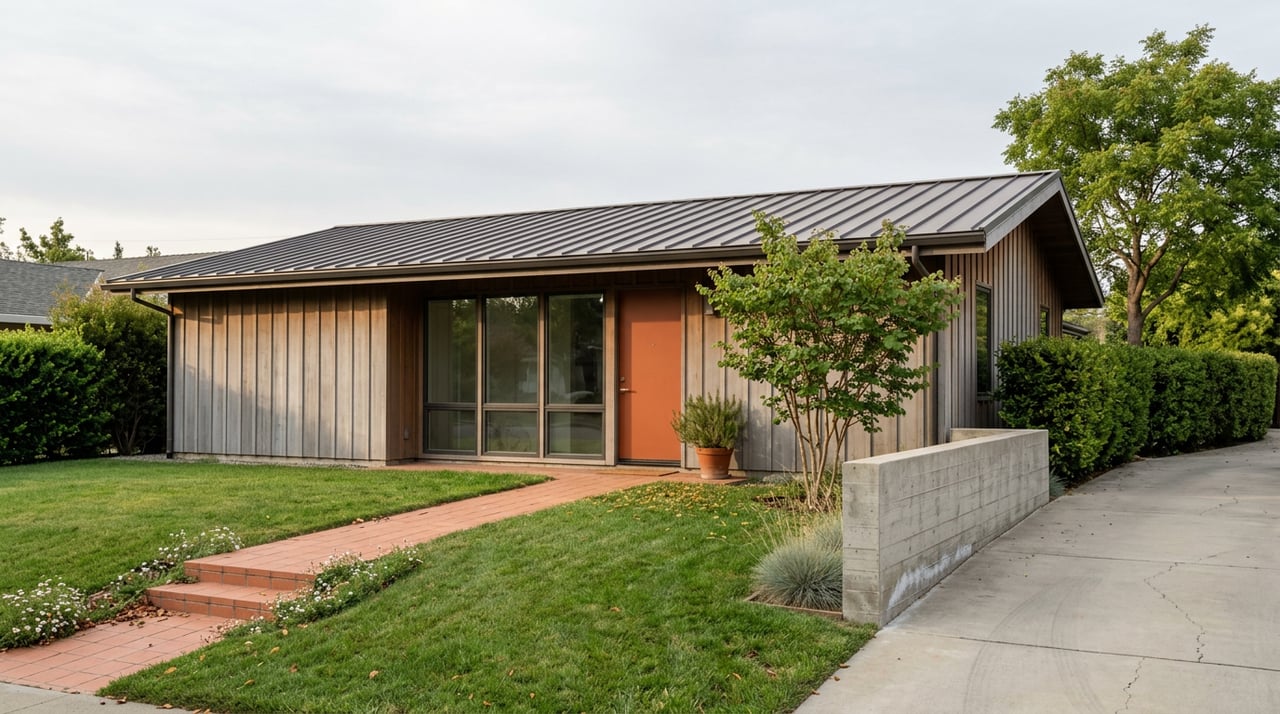
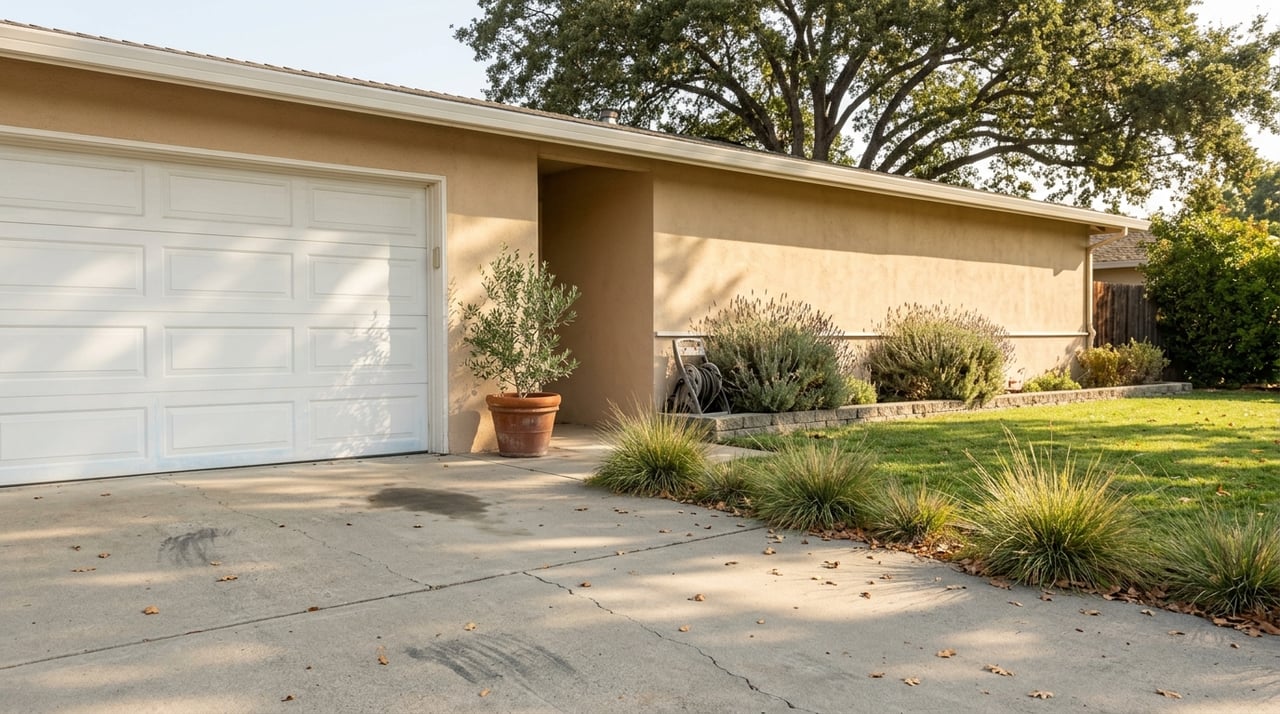
Improve curb appeal. The exterior creates the first physical impression of the property. Landscaping, the entryway, lighting, and overall exterior condition can influence how buyers perceive the home.
Address visible repairs. Small problems can create an outsized impression if buyers begin wondering what other maintenance issues may exist.
Consider staging. Staging is not necessarily about making a home look luxurious. It is about helping buyers understand how the space can function and making the property's strongest characteristics easier to appreciate.
The NAR 2025 Profile of Home Staging found that the living room was the most commonly staged room, with 91% of sellers' agents reporting that it was staged, followed by the primary bedroom at 83% and the dining room at 69%.
The same report found that among buyers' agents, photos were considered an important marketing element by 73%, while traditional physical staging was important to 57%, videos to 48%, and virtual tours to 43%.
The key is to invest strategically. Not every Bay Area property needs a major renovation before sale. In many cases, thoughtful preparation can accomplish more than expensive remodeling.
Invest in Professional Marketing to Attract More Buyers
Once the home is prepared, the next challenge is getting the right buyers to notice it.
Professional real estate marketing should go well beyond uploading a few photographs and a basic description to the MLS.
Depending on the property, an effective marketing strategy can include:
Professional photography
Video
Virtual tours
Carefully written property descriptions
Floor plans
Strategic online promotion
Social media marketing
Email marketing
Broker and agent outreach
Targeted open houses
Neighborhood-specific marketing
Online exposure designed to reach likely buyers
Photography is particularly important because the listing's online presentation often forms a buyer's first impression.
The NAR 2025 Profile of Home Staging found that 88% of sellers' agents considered having photographs important to their clients' listings, while 47% considered videos important and 43% considered traditional physical staging important.
For Bay Area properties, marketing should also emphasize the features that make the particular home and location valuable. A generic description such as "beautiful three-bedroom home in a great neighborhood" does little to differentiate a property.
Instead, the marketing should answer: Why should a buyer choose this home over the other homes they are seeing?
That could be the location, architectural character, remodeled kitchen, backyard, views, natural light, floor plan, proximity to transportation, schools, employment centers, neighborhood amenities, or another meaningful feature.
Create Competition Among Buyers
One of the strongest ways to protect your price is to create genuine buyer interest.
You cannot force buyers to compete, but you can create the conditions that make competition more likely.
That starts with preparation and continues with pricing and marketing.
A well-prepared home that launches at a strategically determined price can attract more attention than a property that enters the market overpriced and gradually reduces its price.
The objective is to make qualified buyers feel that the property deserves their attention now rather than giving them a reason to wait.
That can involve coordinating the launch, maximizing exposure, making showings convenient, communicating with interested buyers' agents, and monitoring feedback closely.
However, creating competition doesn’t mean artificially manipulating buyers or setting an unrealistic price simply to generate offers. The strategy should always be based on market evidence and the property's actual value.
If multiple qualified buyers are interested, the seller may have more leverage when evaluating price and terms. And sometimes the strongest offer is not simply the one with the highest purchase price. Financing, contingencies, closing timeline, and the buyer's ability to perform can all matter.
Work With a San Francisco Bay Area Real Estate Agent Who Understands Your Market
The Bay Area is not one uniform real estate market.
Conditions can vary considerably from one city, neighborhood, property type, and price range to another. A strategy that works for a San Jose single-family home may not be appropriate for a condominium in San Francisco or a property in the East Bay.
That is why local market knowledge matters.
An experienced Bay Area real estate agent should be able to help you evaluate:
Recent comparable sales
Current competing listings
Pricing strategy
Property preparation
Staging recommendations
Marketing opportunities
Showing strategy
Buyer feedback
Offer strength and terms
Negotiation strategy
Transaction timing
The NAR 2025 Profile of Home Buyers and Sellers found that 91% of sellers used a real estate agent, matching the highest percentage on record. The report also found that sellers' top priorities when choosing an agent included help marketing the home to potential buyers, pricing the home competitively, and selling within a specific timeframe.
The value of an agent is therefore not simply putting a property on the MLS. The right agent should help develop a strategy for getting the property from preparation to marketing to negotiation and closing.
For a Bay Area seller, that local perspective can be particularly valuable because the relevant comparable properties and buyer expectations may be very neighborhood-specific.
Common Mistakes That Can Delay Your Home Sale
Even a desirable property can take longer to sell when the launch strategy is not carefully planned.
Overpricing the home
Starting with an unrealistic asking price can reduce the number of buyers who consider the property and give competing listings an advantage.
Skipping preparation
Putting a home on the market before decluttering, cleaning, repairing obvious issues, or improving its presentation can make buyers focus on what is wrong instead of what is valuable.
Using weak photography
Poor lighting, cluttered rooms, awkward angles, or too few photos can make a home look less appealing online than it does in person.
Making expensive renovations without a strategy
Not every improvement will produce an equivalent return. Sellers should evaluate potential projects based on the property's condition, buyer expectations, neighborhood competition, and likely impact on marketability.
Ignoring buyer feedback
Repeated comments from buyers and agents can provide valuable information. If several qualified buyers identify the same issue, it is worth evaluating whether the listing strategy should change.
Being difficult to show
Limited showing availability can reduce the number of buyers who see the property. Whenever possible, sellers should work with their agent to make access convenient while still respecting their personal schedule and circumstances.
Waiting too long to adjust the strategy
Avoiding a price reduction does not mean refusing to make changes. If the home is not generating the expected level of activity, the strategy should be reassessed.
The goal is not to avoid price adjustments at all costs. The goal is to make informed decisions rather than automatically reducing the price before understanding why the home is not selling.
The Bottom Line: Sell the Value, Not Just the House
Selling a home quickly without unnecessarily sacrificing price requires more than choosing an asking price.
It requires a coordinated strategy that combines accurate pricing, thoughtful preparation, strong presentation, professional marketing, buyer exposure, and local market expertise.
The California Association of REALTORS® June 2026 Home Sales and Price Report reported a 17-day median time on market for the San Francisco Bay Area in June 2026, but individual properties can perform very differently depending on location, price, condition, and demand.
If your home is not attracting the level of interest you expected, don't automatically assume that lowering the price is the only answer.
First, ask whether the property is positioned correctly, whether buyers can immediately see its value, and whether the marketing is reaching the right audience.
With the right strategy, your goal should not simply be to sell faster. It should be to create the strongest possible opportunity to sell efficiently without giving away more of your home's value than necessary.
If you're considering selling a home in the San Francisco Bay Area, working with an experienced local real estate professional can help you evaluate your property's position in the current market and develop a strategy based on your specific goals.